
The differences that actually settle it
The winter test is the easiest of all: if it looks dead in January, it is not bamboo.
Side by side
Two things to compare: the stem where a branch leaves it, and the way the leaves are arranged.
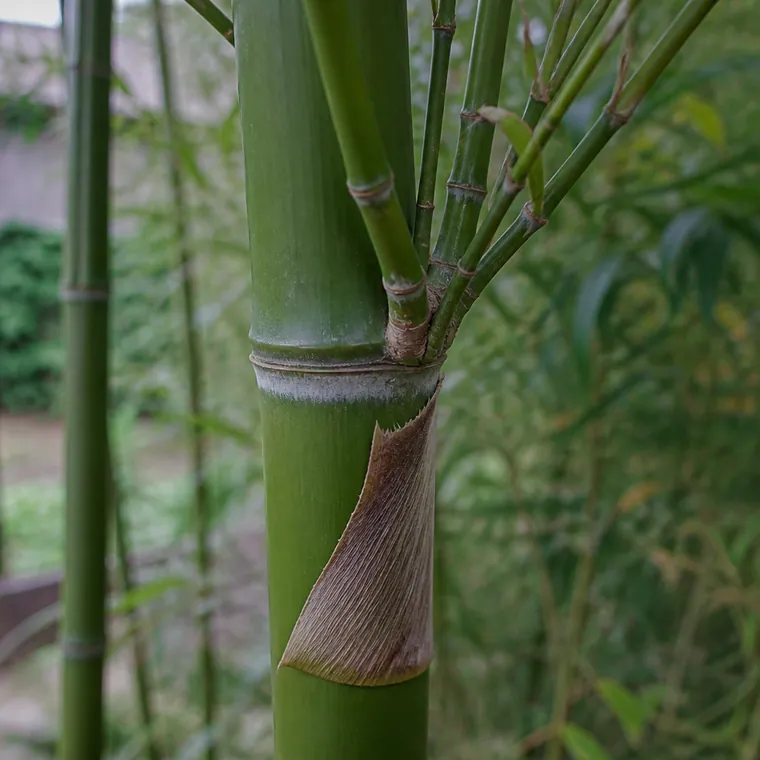
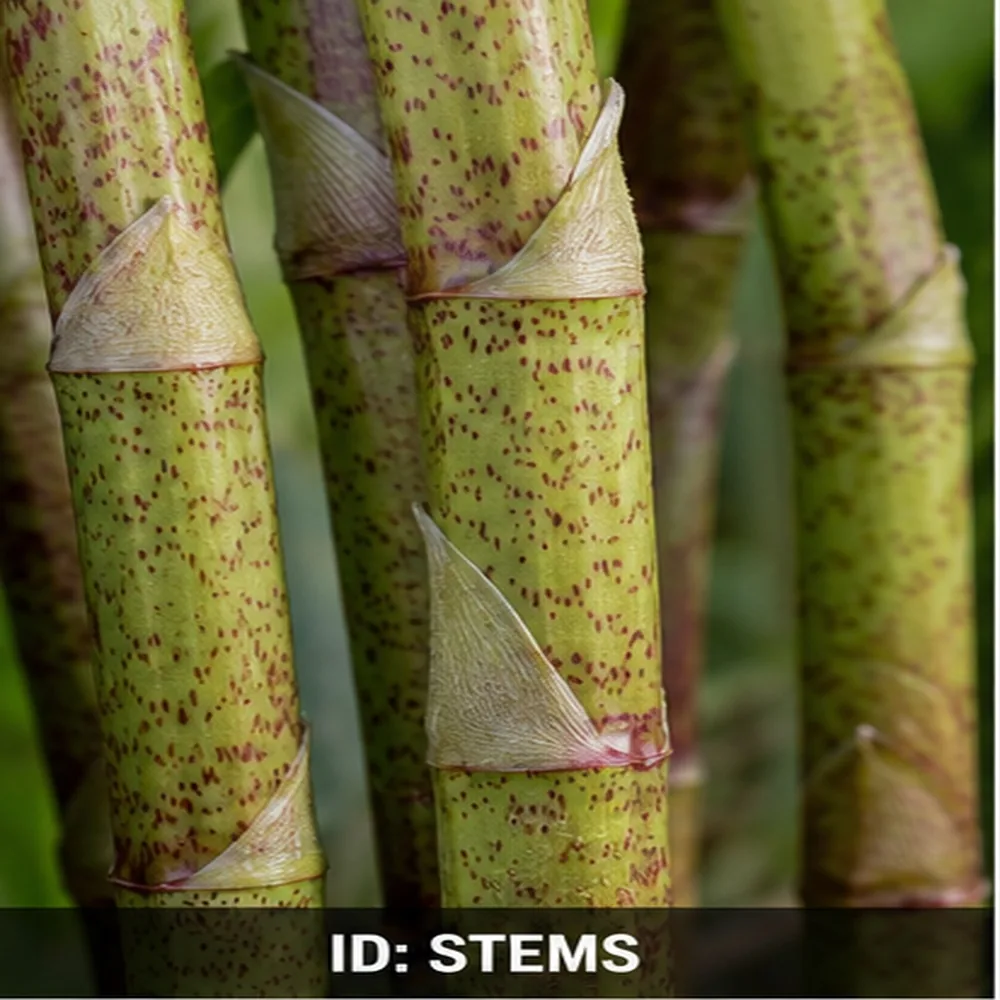
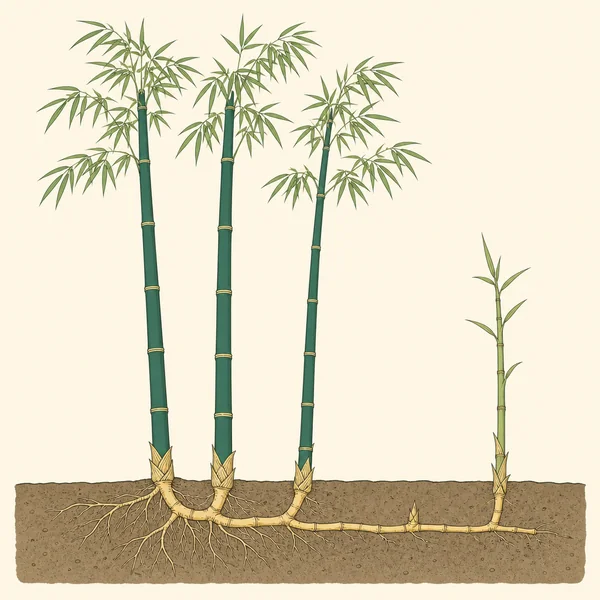
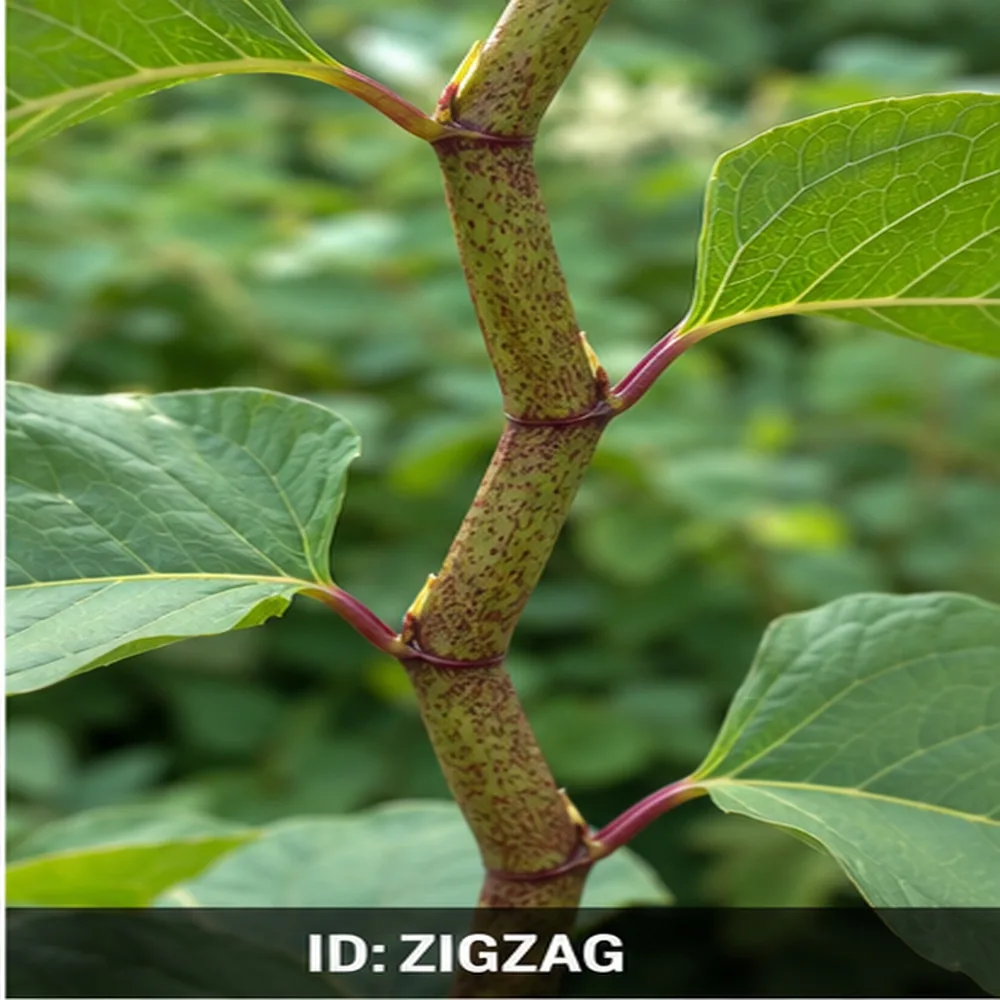
If you are looking at this in winter it is easier still: bamboo is evergreen and still leafy, knotweed has died back to bare hollow brown canes. A clump of dry dead-looking bamboo-like canes in January is the classic knotweed winter appearance, and it is the single biggest reason knotweed gets missed on a house viewing.
Why getting this right matters so much
These two plants sit in completely different worlds once you have identified them, and treating one as though it were the other wastes either money or opportunity.
Japanese knotweed is a controlled plant. It is listed on Schedule 9 of the Wildlife and Countryside Act 1981, contaminated soil is controlled waste under the Environmental Protection Act 1990, it is a direct question on the standard property information form, and mortgage lenders have well-established requirements around it — normally a documented management plan with an insurance-backed guarantee. It can genuinely hold up a sale.
Bamboo has none of that. Not listed, not controlled waste, not on the form, no standard lender position, no accreditation scheme. Its real exposure is encroachment across a boundary as a private nuisance.
So: if it is knotweed, you need the documented route and you should not delay. If it is bamboo, you can breathe out — and then get on with containing or removing it, because it will not stop spreading on its own.
Do not cut it, strim it, dig it or put it in the green bin. Disturbance is the most reliable way to spread knotweed, and soil containing it cannot legally go to the tip.
Get it identified properly and quickly. Our sister service Compare Japanese Knotweed Removal covers exactly that, with specialists who deal with knotweed specifically — it is a different trade with different accreditation, and you want the right one.
Other things mistaken for both
Frequently asked questions
Is bamboo as bad as Japanese knotweed?
Legally and financially, no — and the gap is wide. Bamboo carries no statutory controls, no controlled-waste regime, no disclosure question on the standard form and no standard lender requirements. Knotweed has all four.
Practically, in your own garden, a running bamboo can be just as annoying and just as expensive to dig out, and it is more likely to end in a row with a neighbour. It is a serious garden problem rather than a serious legal one.
Do bamboo specialists deal with knotweed too?
Many do, because the excavation skills overlap, but they are genuinely different trades. Knotweed work involves a formal accreditation scheme, controlled-waste handling, documented management plans and insurance-backed guarantees written for lenders. None of that machinery exists for bamboo.
If what you have is knotweed, use a firm set up for knotweed specifically and expect that paperwork — it is what makes the property lendable. Our sister service covers that side.
It's winter and I can't tell. What now?
Winter is actually the easiest time to separate these two. Bamboo is evergreen in most species, so it will still be standing there with green leaves on it. Japanese knotweed dies back completely to hollow brown brittle canes with no leaves at all.
If you are looking at a clump of dry, dead-looking, hollow bamboo-like canes in January, that is the classic knotweed winter appearance — and it is the single biggest reason knotweed gets missed on a house viewing. Get it checked before spring regrowth.